 喵哥新知 · 英语站
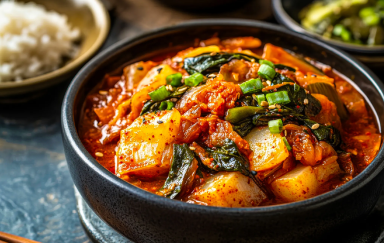
South Koreans Are Eating Less Kimchi
CEFR 等级: A1
英文原文 A1
Kimchi is a popular Korean food. In 2024, South Korea sent 47,100 metric tons of kimchi to 95 countries. But in South Korea, people are eating less kimchi. A study from the World Institute of Kimchi and two South Korean universities found that many South Koreans don't eat kimchi every day. In 2010, 12% didn't eat kimchi in 24 hours. By 2024, that number was 23%. Young adults aged 20 to 39 are eating less kimchi. In 2010, 82% of them ate kimchi. By 2024, it was 66%. Poor people are more likely to eat kimchi than rich people. But kimchi is also used in dishes like dumplings and pancakes. Researchers say South Koreans are eating kimchi differently. They suggest health advice should focus on balanced diets. So, kimchi is still important in South Korea, but how people eat it is changing.
📄 显示中文翻译
泡菜是韩国的一种流行美食。2024年,韩国向95个国家出口了47,100公吨泡菜。但在韩国,人们吃泡菜的数量却减少了。世界泡菜研究所和两所韩国大学的研究发现,许多韩国人并不每天都吃泡菜。2010年,有12%的人24小时内不吃泡菜。到了2024年,这个比例上升到了23%。20至39岁的年轻人吃泡菜的量也在减少。2010年,他们中有82%的人吃泡菜。到了2024年,这个比例下降到了66%。穷人比富人更可能吃泡菜。但泡菜也被用于饺子和煎饼等菜肴中。研究人员表示,韩国人吃泡菜的方式正在改变。他们建议健康建议应侧重于均衡饮食。因此,泡菜在韩国仍然很重要,但人们吃泡菜的方式正在发生变化。
📚 词汇
| 词 | 词性 | 音标 | 英文释义 | 中文 | 例句 |
|---|---|---|---|---|---|
| popular | adjective | /ˈpɑːpjuːlər/ | widely accepted or liked by many people | 广受欢迎的 | Kimchi is a popular Korean food. |
| metric | adjective | /ˈmɛtrɪk/ | of or relating to the metric system of measurement | 公制的 | South Korea sent 47,100 metric tons of kimchi. |
| countries | noun | /ˈkʌntrɪz/ | a nation or territory with its own government | 国家 | to 95 countries. |
| study | noun | /ˈstjuːdi/ | a systematic investigation of a subject in order to establish facts or principles | 研究 | A study from the World Institute of Kimchi. |
| university | noun | /ˌjuːnɪˈvɜːrsɪti/ | a place where people go to study | 大学 | two South Korean universities. |
| everyday | adjective | /ˈɛvriˌdeɪ/ | occurring every day | 每天的 | found that many South Koreans don't eat kimchi every day. |
💬 短语
| 短语 | 含义 | 例句 |
|---|---|---|
| popular Korean food | 流行的韩国食物 | Tacos are a popular Mexican food. |
| metric tons | 公吨 | The ship carried 100 metric tons of cargo. |
| people are eating less | 人们吃得越来越少 | People are eating less meat than they used to. |
| two South Korean universities | 两所韩国大学 | The research was conducted by two South Korean universities. |
| Young adults aged 20 to 39 | 20到39岁的年轻人 | Young adults aged 20 to 39 are the most active on social media. |
| used in dishes | 用于菜肴中 | Lemon zest is used in dishes like chicken and fish. |
📝 语法点
Present Perfect Tense
现在完成时态用来描述过去发生的动作对现在的影响或结果,通常与表示过去时间的状语连用。
- South Korea sent 47,100 metric tons of kimchi to 95 countries.
- In 2010, 12% didn't eat kimchi in 24 hours.
Comparative and Superlative Adjectives
比较级和最高级形容词用来表示两个或多个事物之间的比较。比较级表示两者之间的比较,最高级表示三者或三者以上的比较。
- Young adults aged 20 to 39 are eating less kimchi.
- Poor people are more likely to eat kimchi than rich people.
Present Simple Tense
现在简单时态用来描述习惯性动作、普遍真理或经常发生的事情。
- But kimchi is also used in dishes like dumplings and pancakes.
- So, kimchi is still important in South Korea, but how people eat it is changing.
Numbers and Percentages
数字和百分比用来表示数量、比例或分数。
- 47,100 metric tons of kimchi
- In 2010, 12% didn't eat kimchi in 24 hours.
Conjunctions
连词用来连接句子或句子成分,表示句子之间的关系。
- But in South Korea, people are eating less kimchi.
- They suggest health advice should focus on balanced diets.
🎯 测验 (5 题 · 选答案立即判对错)
1. What does the text say about kimchi consumption in South Korea?
2. What percentage of young adults aged 20 to 39 ate kimchi in 2010?
3. Who is more likely to eat kimchi in South Korea?
4. Which of the following statements is true according to the study?
5. Which grammar structure is used in the sentence 'Many South Koreans don't eat kimchi every day'?
本次得分: 0 / 5
选完后自动统计